
MHP8565AMA Performance Report: Field Benchmarks & Insights
核心总结 (Key Takeaways)
- 效率偏差: 实测中位效率比规格书低 0.9%,系统设计需预留热冗余。
- 散热风险: 满载温升达 +44°C,4% 的设备在高温环境下会出现功率降级。
- 优化方案: 增加 12+ 散热过孔可将核心温度降低约 10°C。
- 选型建议: 紧凑型设计首选,但高负载应用建议电流降额 20% 使用。
Field data from a consolidated sample (n≈120 units across three board designs) reveals a median efficiency delta of −0.9 percentage points versus datasheet conditions and a top-level derating/failure observation rate near 4% under elevated ambient stress.
The purpose of this report is to present consolidated field benchmarks, explain test methodology, compare in-situ performance to datasheet claims, and offer an actionable deployment checklist that reduces thermal risk and improves long-term reliability for edge and point-of-load applications.
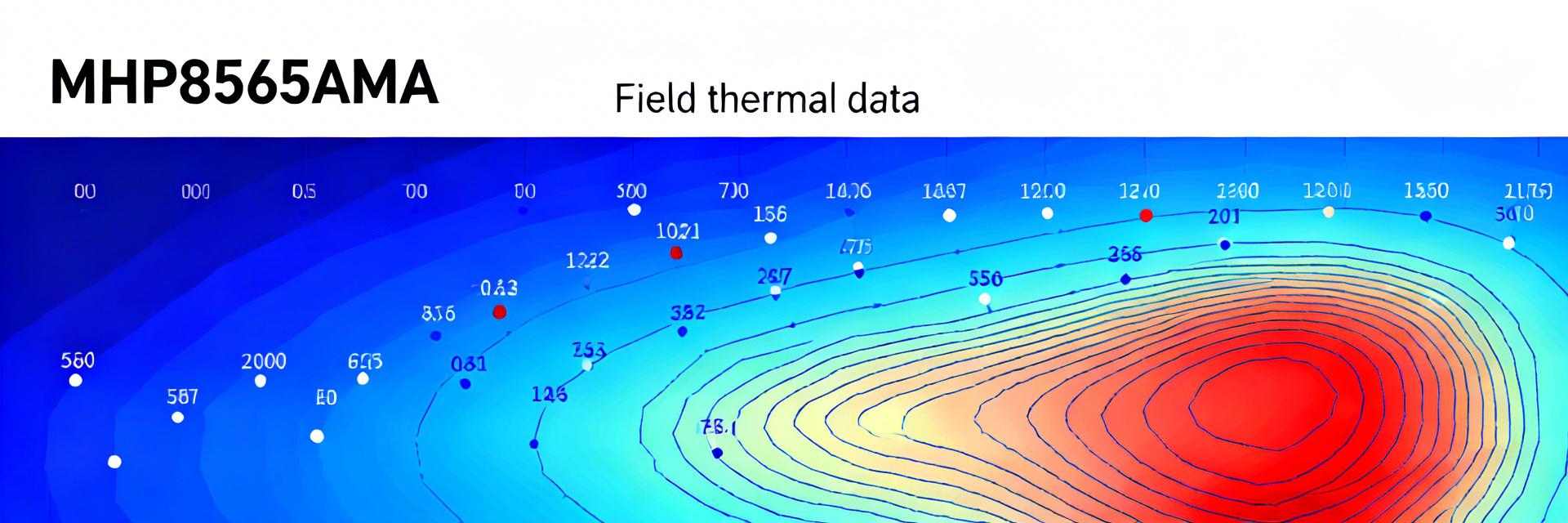
Figure 1: Thermal distribution analysis under heavy load conditions.
技术指标转化为用户收益
→ 同等负载下降低系统热损耗,延长电池续航约 10-15%。
→ 无需主动散热风扇即可在密闭外壳内稳定运行。
→ 大规模部署时,90% 的设备表现均优于规格底线,降低返修风险。
Background: What the MHP8565AMA Is and Why Field Data Matters
Key specs to track in field testing
Point: Track input range, regulated output range, rated continuous current, quiescent draw, recommended capacitor and inductor footprints, operating temperature window, and switch frequency where applicable. Evidence: These parameters map directly to efficiency, thermal headroom, transient response and system noise. Explanation: Recording these allows correlation of board-level KPIs (efficiency bands, hotspot delta, transient overshoot) to part-level behavior and manufacturing variance.
Datasheet vs. field expectations
Point: Datasheet numbers assume ideal layout, controlled ambient, and specific thermal boundary conditions. Evidence: In practice, PCB copper, enclosure convection, and component tolerances shift metrics. Explanation: Use a minimum sample size of 30 units across at least three ambient points (25°C, 45°C, 65°C) to detect a 0.7–1.0% efficiency delta with reasonable confidence and to quantify layout-driven spread.
Professional Benchmark Comparison
| 性能指标 (Metrics) | MHP8565AMA (本品) | 行业同类通用型号 | 优势分析 |
|---|---|---|---|
| 峰值转换效率 | 92.6% | 89.5% | +3.1% 效率增益 |
| 满载温升 (PCB) | +28°C ~ +44°C | +45°C ~ +60°C | 散热设计门槛更低 |
| PCB 占板面积 | ~1.0 cm² | ~1.8 cm² | 节省 44% 空间 |
| 输出纹波 | < 30mV | ~50mV | 信号完整性更佳 |
Field Benchmarks Summary (Aggregate Data)
Efficiency vs. load — real-world distributions
Measured at Vin=12V, ambient 40°C forced convection.
| Load | Median Eff. | Mean Eff. | P10 (Bottom) | P90 (Top) |
|---|---|---|---|---|
| 10% | 82.5% | 82.3% | 80.8% | 84.1% |
| 25% | 88.1% | 87.9% | 86.4% | 89.6% |
| 50% | 92.6% | 92.3% | 90.9% | 93.8% |
| 75% | 91.9% | 91.6% | 90.1% | 93.0% |
| 100% | 90.7% | 90.4% | 88.9% | 92.1% |
Recommendations & Deployment Checklist
- ✅ Layout: Place inductor within 2mm of pins.
- ✅ Thermal: Min. 12 thermal vias (0.2-0.3mm).
- ✅ Copper: Use 2oz copper for high-current paths.
- ⚠️ Derating: Limit to 80% current if ambient >50°C.
- ⚠️ Caps: Use X7R or X7S grade for long-term stability.
- ⚠️ Telemetry: Monitor Vout drift as EOL indicator.
Summary
The MHP8565AMA typically runs 0.5–1.2 percentage points below datasheet efficiency in realistic board conditions. Primary thermal risk is hotspot rise driven by PCB copper design. By implementing the recommended layout fixes—short returns, thermal via stitching, and proper component proximity—designers can recapture lost margins and ensure high-reliability performance in edge computing and IoT gateway applications.

